

The Versatility and Applications of Copper Steel Wire in Construction
Release Time:
Dec 05,2025
Copper steel wire is a composite material that merges the benefits of copper with the robust characteristics of steel, making it an invaluable asset in various construction and decoration applications. This hybrid wire features a steel core enveloped in copper, offering enhanced durability, flexibility, and conductivity. Its unique properties make it particularly suitable for use in environments w

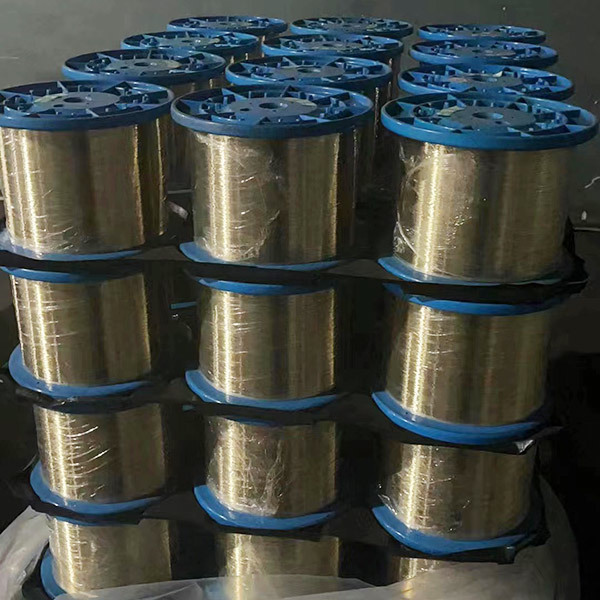
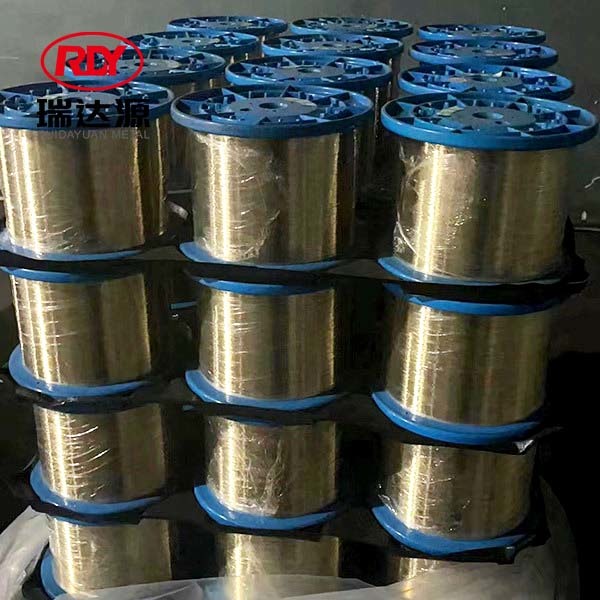
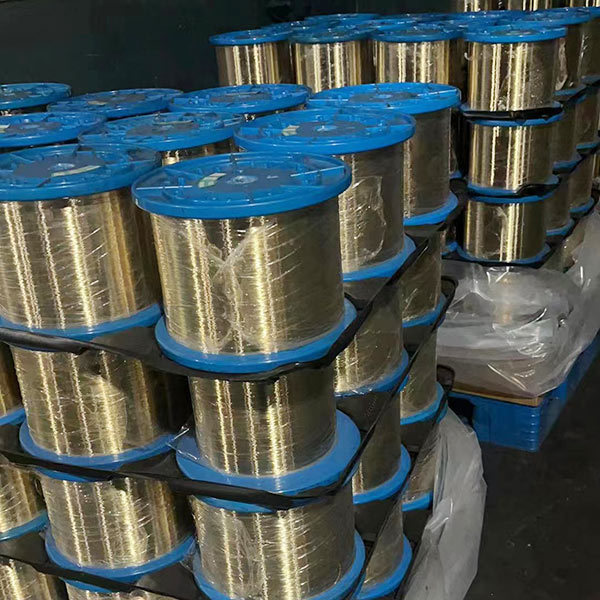
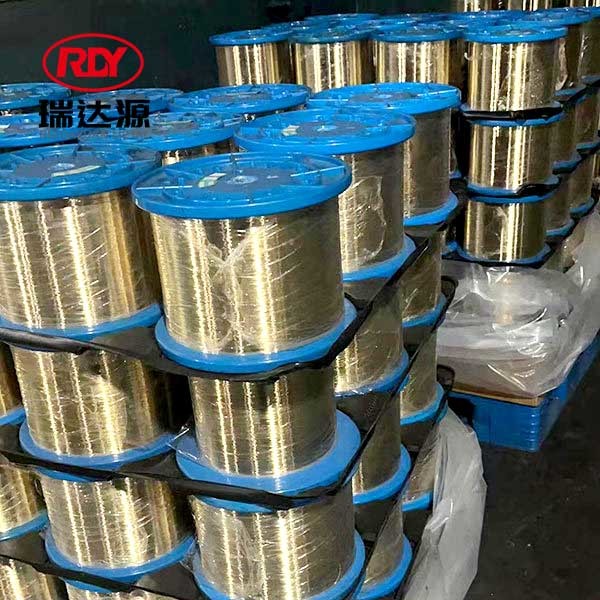
Copper steel wire is a composite material that merges the benefits of copper with the robust characteristics of steel, making it an invaluable asset in various construction and decoration applications. This hybrid wire features a steel core enveloped in copper, offering enhanced durability, flexibility, and conductivity. Its unique properties make it particularly suitable for use in environments where both strength and electrical conductivity are necessary.
One of the standout features of copper steel wire is its exceptional tensile strength. Steel, known for its high strength-to-weight ratio, provides the wire with the ability to endure significant loads without deformation. This makes it ideal for applications such as structural reinforcements, where maintaining integrity under pressure is critical. Additionally, the copper coating allows for excellent electrical conductivity, making copper steel wire suitable for electrical installations in buildings, including grounding systems and connections where conductivity is paramount.
Moreover, copper steel wire exhibits excellent corrosion resistance, owing to the protective properties provided by the copper layer. This is particularly important in construction environments where exposure to moisture and other corrosive elements could compromise the integrity of traditional steel. The corrosion-resistant nature of copper steel wire extends the lifespan of structures and reduces maintenance costs, creating an economically viable option for builders and developers.
In the context of decorative applications, copper steel wire can be utilized for creating intricate designs and architectural features. Its malleable properties allow it to be shaped into various forms, making it a favored choice for decorative railings, artistic installations, and unique building facades. The aesthetic appeal of copper also adds a touch of elegance, enhancing the overall visual impact of a project.
In addition to its functional and aesthetic applications, the use of copper steel wire can contribute to sustainable building practices. As both copper and steel are recyclable materials, employing copper steel wire supports environmentally friendly construction methods. This aligns with the growing trend toward sustainability in the construction industry, allowing architects and builders to meet contemporary demands for eco-friendly materials.
In summary, copper steel wire stands out as a versatile and indispensable material in the construction and decorative materials sector. Its combination of strength, conductivity, and corrosion resistance, coupled with its aesthetic versatility, makes it a valuable choice for a wide range of applications. As demand for modern, durable, and sustainable building materials continues to rise, copper steel wire is poised to play a significant role in shaping the future of construction.
One of the standout features of copper steel wire is its exceptional tensile strength. Steel, known for its high strength-to-weight ratio, provides the wire with the ability to endure significant loads without deformation. This makes it ideal for applications such as structural reinforcements, where maintaining integrity under pressure is critical. Additionally, the copper coating allows for excellent electrical conductivity, making copper steel wire suitable for electrical installations in buildings, including grounding systems and connections where conductivity is paramount.
Moreover, copper steel wire exhibits excellent corrosion resistance, owing to the protective properties provided by the copper layer. This is particularly important in construction environments where exposure to moisture and other corrosive elements could compromise the integrity of traditional steel. The corrosion-resistant nature of copper steel wire extends the lifespan of structures and reduces maintenance costs, creating an economically viable option for builders and developers.
In the context of decorative applications, copper steel wire can be utilized for creating intricate designs and architectural features. Its malleable properties allow it to be shaped into various forms, making it a favored choice for decorative railings, artistic installations, and unique building facades. The aesthetic appeal of copper also adds a touch of elegance, enhancing the overall visual impact of a project.
In addition to its functional and aesthetic applications, the use of copper steel wire can contribute to sustainable building practices. As both copper and steel are recyclable materials, employing copper steel wire supports environmentally friendly construction methods. This aligns with the growing trend toward sustainability in the construction industry, allowing architects and builders to meet contemporary demands for eco-friendly materials.
In summary, copper steel wire stands out as a versatile and indispensable material in the construction and decorative materials sector. Its combination of strength, conductivity, and corrosion resistance, coupled with its aesthetic versatility, makes it a valuable choice for a wide range of applications. As demand for modern, durable, and sustainable building materials continues to rise, copper steel wire is poised to play a significant role in shaping the future of construction.
Keywords:
Related news

Tel:
Sales E-mail: