

Maximizing Safety and Durability: The Role of Copper Coated Wire in Electrical Installations
Release Time:
Nov 28,2025
Maximizing Safety and Durability: The Role of Copper Coated Wire in Electrical Installations Table of Contents 1. Introduction to Copper Coated Wire 2. What is Copper Coated Wire? 3. Benefits of Using Copper Coated Wire 3.1 Enhanced Electrical Conductivity 3.2 Corrosion Resistance 3.3 Greater Durability 4. Applications of Coppe

Maximizing Safety and Durability: The Role of Copper Coated Wire in Electrical Installations
Table of Contents
- 1. Introduction to Copper Coated Wire
- 2. What is Copper Coated Wire?
- 3. Benefits of Using Copper Coated Wire
- 4. Applications of Copper Coated Wire
- 5. Comparison with Other Wiring Materials
- 6. Installation and Safety Tips for Copper Coated Wire
- 7. Environmental Impact of Copper Coated Wire
- 8. Frequently Asked Questions
- 9. Conclusion
1. Introduction to Copper Coated Wire
In the realm of electrical installations, **safety** and **durability** are paramount. As we strive for reliable electrical systems, the choice of wiring materials plays a **crucial role**. Copper coated wire has emerged as an effective solution that maximizes both these aspects. This article explores the features, benefits, and applications of copper coated wire, elucidating its importance in modern electrical installations.
2. What is Copper Coated Wire?
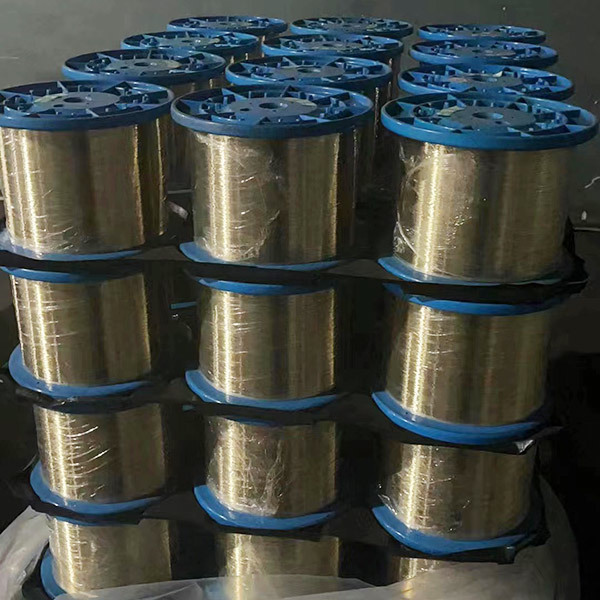
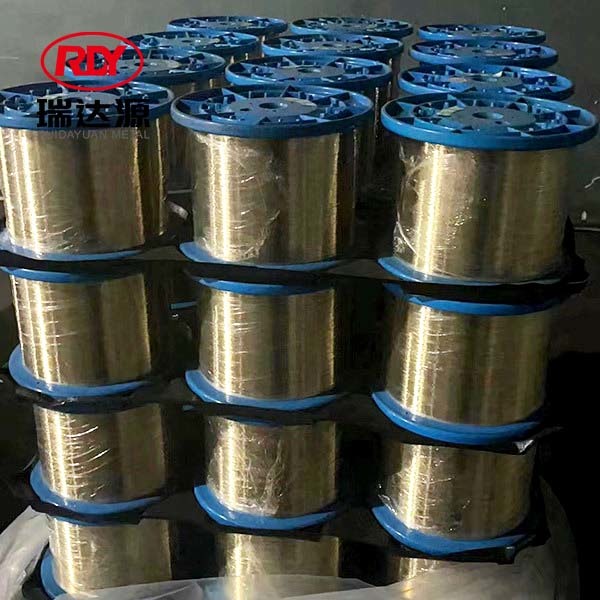
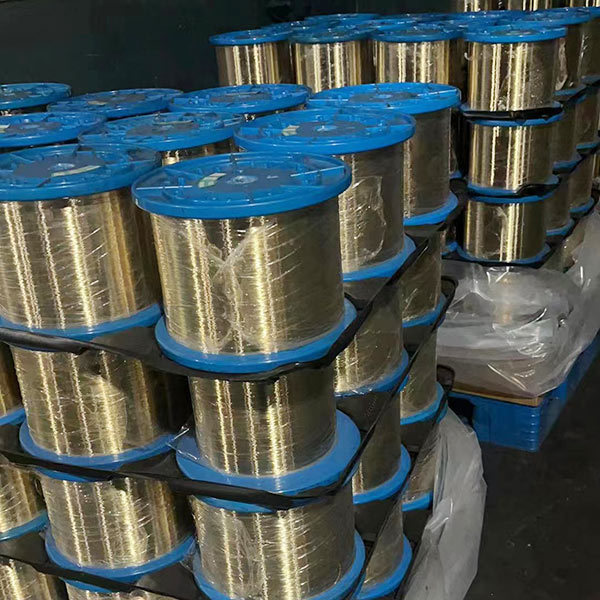
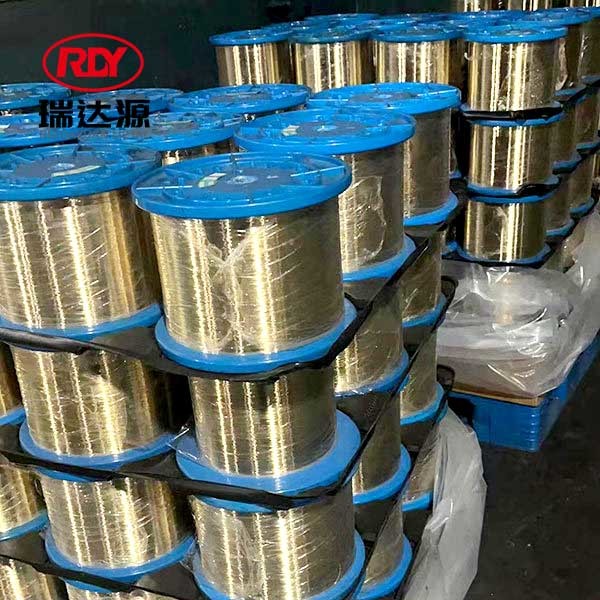
Copper coated wire is a wire made from a base metal, usually **steel**, that is coated with a layer of copper. This combination allows the wire to harness the advantageous properties of copper — most notably its high **electrical conductivity** — while maintaining the strength and cost-effectiveness of the base material. The **coating process** ensures that the wire retains its **flexibility**, making it suitable for various applications, especially in electrical installations.
3. Benefits of Using Copper Coated Wire
The choice of copper coated wire comes with numerous benefits that enhance electrical safety and durability.
3.1 Enhanced Electrical Conductivity
Copper is renowned for its **excellent electrical conductivity**, surpassing most metals. By incorporating a copper coating, the wire ensures **minimal resistance** and energy loss during electrical transmission. This leads to improved performance, especially in applications requiring high current flow.
3.2 Corrosion Resistance
One of the critical advantages of copper coated wire is its **corrosion resistance**. The copper layer effectively protects the underlying metal from environmental factors such as moisture and chemicals, which can lead to deterioration over time. This durability reduces the likelihood of failure and enhances the **longevity** of electrical installations.
3.3 Greater Durability
Copper coated wire combines the toughness of the base metal with the beneficial properties of copper. This results in a wire that not only withstands stress and strain but also maintains its functionality in diverse conditions. The increased **tensile strength** allows for better application in high-demand environments, ensuring reliability.
4. Applications of Copper Coated Wire
Copper coated wire finds extensive application across various sectors due to its versatility and reliability.
- **Residential Wiring**: Ideal for wiring in homes, where safety and conductivity are crucial.
- **Industrial Uses**: Commonly used in heavy machinery and electrical equipment that require robust wiring solutions.
- **Telecommunications**: Employed in coaxial cables and other communication devices for signal transmission.
- **Automotive Wiring**: Used in vehicles to ensure efficient electrical systems, leveraging its lightweight and strength.
5. Comparison with Other Wiring Materials
Understanding how copper coated wire stacks up against other materials is essential for making informed decisions in electrical installations.
5.1 Copper vs. Aluminum Wiring
While aluminum is often considered a cost-effective alternative, it falls short in several aspects. **Copper** has a higher conductivity, which means less energy loss and reduced heat generation. Additionally, copper's corrosion resistance outperforms aluminum, making it a more durable choice for long-term installations.
5.2 Copper Coating vs. Solid Copper
Solid copper wire is highly sought after for its conductivity but is more expensive. Copper coated wire provides a balance of cost and performance, delivering similar benefits at a lower price point. In scenarios where strength and flexibility are needed, copper coated wire excels.
6. Installation and Safety Tips for Copper Coated Wire
To ensure the **optimal performance** of copper coated wire, proper installation techniques are crucial. Here are some tips:
- **Use Proper Tools**: Ensure that you use the right tools for cutting and stripping copper coated wire to avoid damaging the coating.
- **Check Connections**: Regularly inspect connections to prevent corrosion and ensure a secure fit.
- **Follow Electrical Codes**: Always adhere to local electrical codes and regulations to guarantee safety and compliance.
7. Environmental Impact of Copper Coated Wire
Copper coated wire presents a **sustainable option** in the electrical industry. The use of copper, which is recyclable, contributes to green practices. Furthermore, the durability of copper coated wire reduces the need for frequent replacements, minimizing waste and environmental impact.
8. Frequently Asked Questions
1. What is the lifespan of copper coated wire?
Copper coated wire can last many years, often exceeding traditional wiring materials due to its **corrosion resistance** and durability.
2. Can copper coated wire be used outdoors?
Yes, copper coated wire is suitable for outdoor use, provided it is installed correctly to protect against elements.
3. Is copper coated wire more cost-effective?
Yes, it provides a balance of performance and cost, making it an attractive choice for many applications.
4. How does copper coated wire compare to traditional copper wire?
While traditional copper wire offers excellent conductivity, copper coated wire provides similar benefits at a lower cost, with the added strength of the base material.
5. Are there any risks associated with using copper coated wire?
As with any wiring, improper installation or exposure to extreme conditions can pose risks. Following installation guidelines and local codes mitigates these risks.
9. Conclusion
Copper coated wire stands out as a **superior choice** for electrical installations, combining safety, durability, and cost-effectiveness. Its unique properties make it a reliable option for various applications, from residential wiring to industrial uses. By understanding its benefits and proper installation techniques, stakeholders can maximize the performance of their electrical systems, ensuring lasting safety and functionality. Embracing such advanced materials is essential for advancing electrical installation standards and practices.
Keywords:
Related news

Tel:
Sales E-mail: