

Understanding Galvanized Iron Wire: A Vital Component in Construction and Decoration
Release Time:
Nov 21,2025
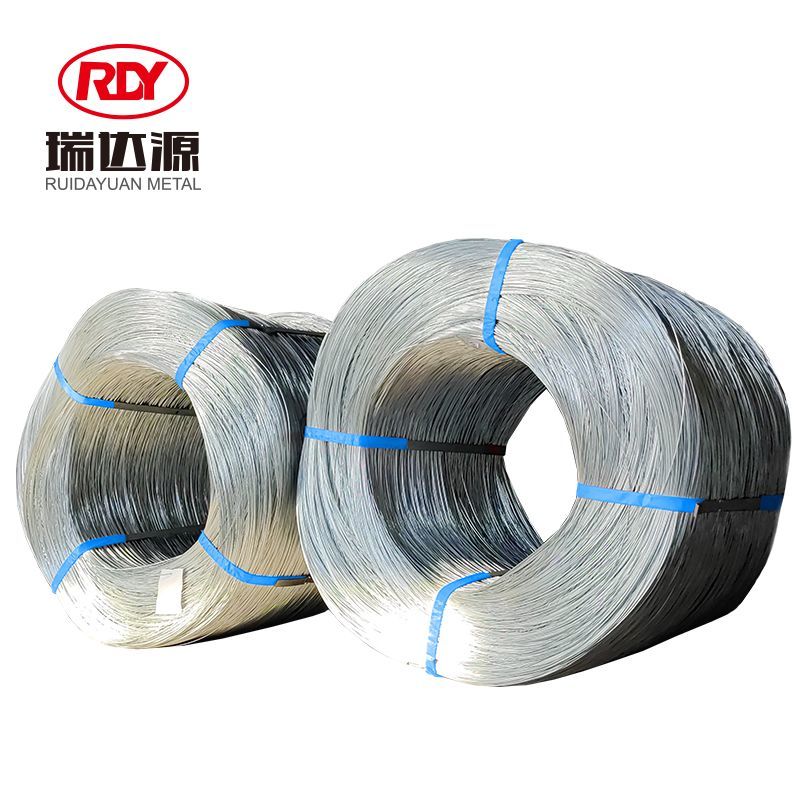
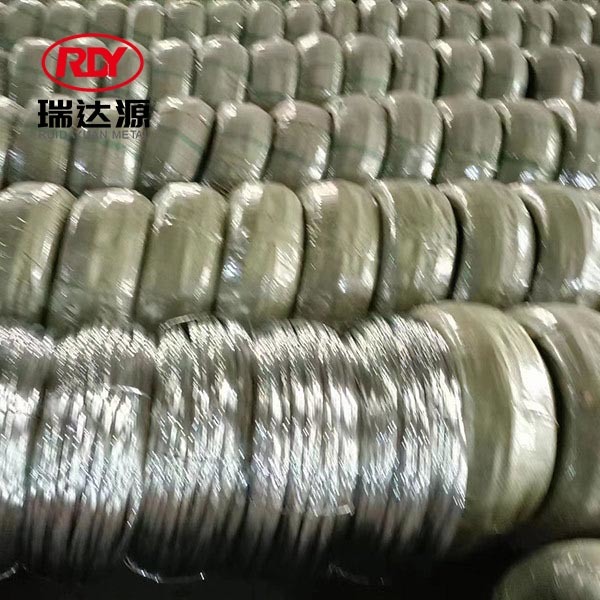
Galvanized iron wire is a versatile material widely used in various applications within the construction and decoration sectors. Its manufacturing process involves coating iron or steel wire with a layer of zinc, which enhances its durability and resistance to corrosion. This protective layer is crucial for applications exposed to outdoor environments, where moisture and varying weather conditions

Galvanized iron wire is a versatile material widely used in various applications within the construction and decoration sectors. Its manufacturing process involves coating iron or steel wire with a layer of zinc, which enhances its durability and resistance to corrosion. This protective layer is crucial for applications exposed to outdoor environments, where moisture and varying weather conditions can lead to rust and degradation of uncoated materials.
One of the primary benefits of galvanized iron wire is its remarkable strength-to-weight ratio. It provides the tensile strength needed for various structural applications while remaining lightweight and easy to handle. This characteristic makes it an excellent choice for reinforcing concrete, supporting structures, and creating fencing systems. Additionally, the wire’s flexibility allows for easy bending and shaping, accommodating different design requirements.
In the construction industry, galvanized iron wire is commonly used in the production of wire mesh, which serves as a foundational element in concrete reinforcement. Wire mesh ensures the even distribution of tensile loads, reducing the risk of cracks and structural failures in concrete structures. This application is particularly vital in high-stress environments such as bridges, highways, and buildings.
Moreover, galvanized iron wire is extensively utilized in the creation of fencing solutions. The corrosion-resistant properties of the zinc coating make it ideal for agricultural fencing, garden trellises, and security barriers. It can withstand exposure to harsh weather and environmental conditions, ensuring long-lasting performance and reducing the need for frequent replacements.
In addition to its structural applications, galvanized iron wire is also used in decorative elements. Its ability to be easily coated or painted allows it to blend seamlessly with various aesthetics. Architects and interior designers often incorporate galvanized wire into their designs for its industrial look, which can enhance the modern appeal of a space.
When selecting galvanized iron wire for a specific project, it’s important to consider its gauge (thickness) and tensile strength, as these factors will influence its suitability for various applications. Proper handling and installation techniques also play a significant role in maximizing the lifespan and effectiveness of galvanized wire.
Overall, galvanized iron wire is a crucial component in the construction and decoration industries, providing unmatched strength, versatility, and corrosion resistance. Its wide range of applications, from structural reinforcement to aesthetic enhancements, makes it an indispensable material for professionals seeking durable and reliable solutions in their projects.
One of the primary benefits of galvanized iron wire is its remarkable strength-to-weight ratio. It provides the tensile strength needed for various structural applications while remaining lightweight and easy to handle. This characteristic makes it an excellent choice for reinforcing concrete, supporting structures, and creating fencing systems. Additionally, the wire’s flexibility allows for easy bending and shaping, accommodating different design requirements.
In the construction industry, galvanized iron wire is commonly used in the production of wire mesh, which serves as a foundational element in concrete reinforcement. Wire mesh ensures the even distribution of tensile loads, reducing the risk of cracks and structural failures in concrete structures. This application is particularly vital in high-stress environments such as bridges, highways, and buildings.
Moreover, galvanized iron wire is extensively utilized in the creation of fencing solutions. The corrosion-resistant properties of the zinc coating make it ideal for agricultural fencing, garden trellises, and security barriers. It can withstand exposure to harsh weather and environmental conditions, ensuring long-lasting performance and reducing the need for frequent replacements.
In addition to its structural applications, galvanized iron wire is also used in decorative elements. Its ability to be easily coated or painted allows it to blend seamlessly with various aesthetics. Architects and interior designers often incorporate galvanized wire into their designs for its industrial look, which can enhance the modern appeal of a space.
When selecting galvanized iron wire for a specific project, it’s important to consider its gauge (thickness) and tensile strength, as these factors will influence its suitability for various applications. Proper handling and installation techniques also play a significant role in maximizing the lifespan and effectiveness of galvanized wire.
Overall, galvanized iron wire is a crucial component in the construction and decoration industries, providing unmatched strength, versatility, and corrosion resistance. Its wide range of applications, from structural reinforcement to aesthetic enhancements, makes it an indispensable material for professionals seeking durable and reliable solutions in their projects.
Keywords:
Related news

Tel:
Sales E-mail: